Welcome to hunting2fishing |
||||||
Here a site for all the hunters and fishermen around the world. that love the sport as much as me or more. here you will find deer hunting tips,deer stories,world records,game recipes,and a lot for the fishermen to from big river catfish to big mouth bass and some small game.and much more so pull up a seat and stay awhile.
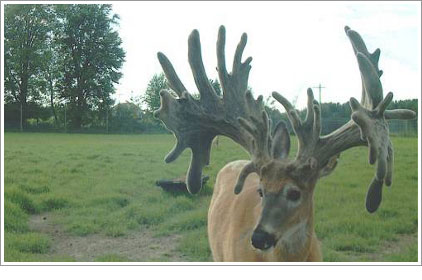 Earlier this year, "Inside Track" revealed photos of the world's largest white-tailed buck at the time, Sudden Impact. His contender this year was a buck named Primetime. The folks over at Farming for Wildlife's "Watch Him Grow" let us follow Primetime's growth all year, and the final results are in. Sudden Impact's final gross score was 492 inches. Judging from Primetime's photo above, do you think he stole the title? We'll give you a clue: His inside spread was just over 27 inches and he had over 68 inches of mass. OK, OK ... you want the answer now. Check out Primetime's final score and more jaw-dropping photos right here. Big bucks prefer acorns  Big bucks prefer acorns over any other natural plants, nuts, and veggies. Deer eat acorns in the fall to fatten up for the winter. Acorns contain a lot of carbs, not much protein, but high in minerals and carbs to fatten up for the winter. If you want to attract white tailed deer and big bucks your best bet is to put 25-100 lbs. of acorns near an area where deer visit. Put 25 lbs. out every few days and monitor the area with a trail camera. Look for deer and bucks coming back each night and morning to feed. Replenish the acorn feed and keep the bucks coming back. Acorns are nature’s natural deer candy. Why spend money on deer baits made of chemicals and other unhealthy ingredients when you can attract deer using the deers favorite fall time food, acorns. Should I buy white oak acorns or red oak acorns? Big bucks will eat red oak acorns, white oak acorns, and burr oak acorns. Bucks and deer will eat any acorn available. They are not picky when it comes to acorns. Is the myth true that big bucks prefer white oak acorns over red oak acorns? Yes it is true, but if white oak acorns are not present, deer will devour red oak acorns and burr oak acorns on the spot. I collect from many areas with red oak acorns and deer droppings under the tree. I see big bucks eating red oak acorns and burr oak acorns all the time on my trail cameras. Deer ‘prefer’ white oak acorns because they are sweeter than red oak acorns and contain less tannins, tannins in red oak acorns on the otherhand are more sour than white oak acorns. If given a choice between red oak acorns and white oak acorns, deer will pick the white oak acorns |
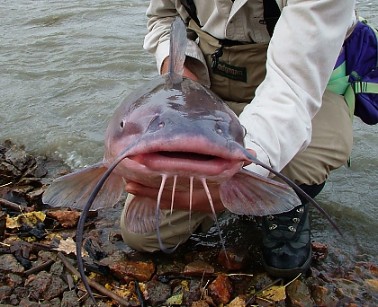 About Catfish A number of catfish species can be found in the west coast states including the channel, white, blue, flathead and bullhead. Fish up to 20 pounds are common in larger bodies of fresh water. Sexual maturity is reached at between 3 and 4 years. Catfish spawn when water temperatures are above 70 degrees F. The eggs are laid in a nest which could be anything from an old tire to an underwater animal burrow. The male guards the eggs, which can number up to 70,000, until they hatch about a week after spawning. The fry are guarded for a week or two after that.. The average life expectancy is 10 years but catfish have been known to live up to 40 years in their native habitat. Catfish feed primarily feed at night but will snap up an opportunistic meal anytime one floats by. They inhabit shady spots during the day, seeking shelter from the sun. The diet of the catfish is varied consisting of insects, larvae, carrion, small fish, dead fish, frogs, fresh water mollusks, and even certain seeds carried into the water. Fishing Methods: Although catfish can be caught by trolling minnows or minnow imitation lures, 99.9% are taken on bait of one type or another. Liver, shrimp, nightcrawlers, clams, hot dogs, mackerel, minnows, red worms, fish belly strips and minnows are all used as bait. Bait is usually sent to the bottom but if the bottom is weedy, the bait can be suspended by a float, or a marshmallow for smaller baits. Terminal tackle used is dependent on the type of bait and the currents encountered fishing. If you are shore fishing the best time is at night when the fish are feeding. If you are boat fishing during the day, anchor on a known catfish location. Catfish congregate in the shade of underwater mounds. Cast into the sun and retrieve slowly, about 6-8" per minute. Your rod tip will bend as you drag your sinker up the sunny side of the mound. When the rod tip straightens you are on the ridge of the mound. Prepare for the strike as you slowly work the bait down the shady side of the mound. Catfish are slow eaters so be patient before you set the hook. Another technique is to sight fish. This method requires a good pair of polarized sunglasses, amber is the most popular color. By studying the terrain and daily migration patterns of the fish, or knowing where they rest or nest you will know where to go looking for them. When you can see one, cast a nightcrawler about two feet in front of his nose. Works every time! |
|||||
